
How is the AI data center boom changing demand for electricians? Directly and fast: data center projects now compete for the same electricians as every other kind of construction, pay premiums to win them, and still come up short. More than 300,000 additional electricians are needed this decade against roughly 72,700 openings a year in the BLS 2025-2035 projections, and the projects with the deepest budgets are setting the market.
Why Data Centers Eat So Much Electrical Labor
A data center is, electrically speaking, a building-sized machine. The scopes stack: gear and feeders, data hall fit-out, panel and busway terminations, low-voltage and structured cabling, then weeks of QA/QC and commissioning before a single server rack goes live. Each phase wants licensed hands, and the schedule wants them at the same time. Our project staffing guide breaks the phases down.
The Premium Effect
Data center projects pay premiums, commonly quoted 25 to 30 percent above standard construction rates, and they are backed by companies with effectively unlimited capital. Homebuilders compete for the same electricians, often at lower rates, and lose crews. That is the fight our shortage breakdown documents, and it is why the question “why are data centers and home builders competing for electricians” keeps showing up in search.
What Contractors Should Take From This
Waiting on the open market is now the expensive option. The projects that hold schedule lock their electrical labor early, keep crews through the finish, and treat commissioning support as part of the plan instead of a scramble. That is the model behind our data center staffing work: W-2 crews, mobilized fast, kept whole through turnover.
What Electricians Should Take From This
The boom pays the same license more for the same hours, especially on travel assignments. Our pay guide covers what data center electricians are quoted, and the travel-pay guide explains how per diem works when the work is away from home. The open roles board shows what is hiring right now, pay included.
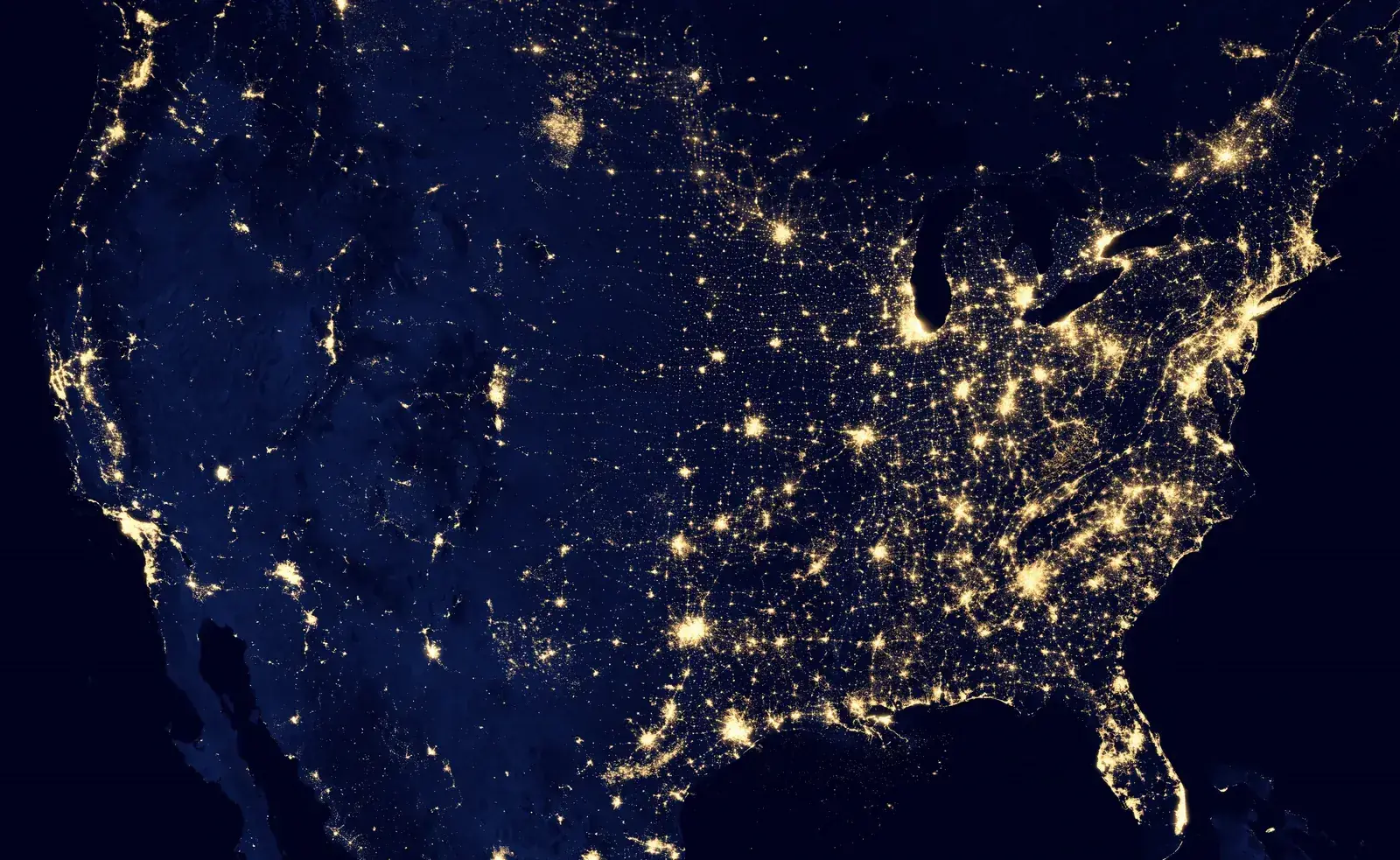
Sources: the figures above are documented in our shortage breakdown and its named sources, including Fortune’s reporting on industry projections (March 2026), Associated Builders and Contractors workforce projections, and ITIF’s data center analysis (late 2025); BLS Occupational Outlook Handbook, Electricians, 2025-2035 projections, checked September 29, 2026. Photo: NASA Earth Observatory / Robert Simmon, Suomi NPP VIIRS data (NASA/NOAA).